
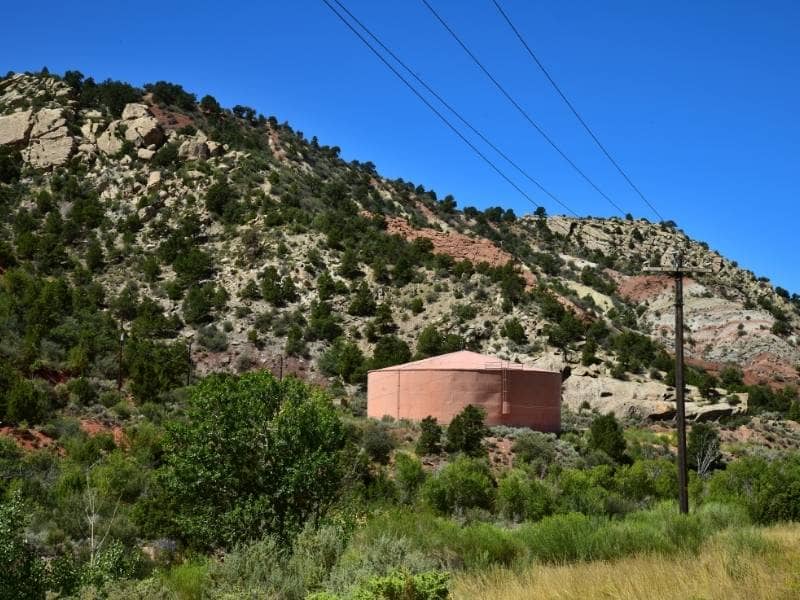
A water tank on a high ridge has a hard job. It has to hold thousands of gallons through deep freezes, heavy snow, strong wind, and bright sun. It often sits on ground that’s steep, rocky, or tough to reach. Good civil engineering keeps that tank stable and watertight for many years, and most of that work happens before any concrete is poured.
This review covers the main checks for owners, builders, and project teams. It looks at the site, the foundation, materials, drainage, and upkeep. The big lesson is simple. Early choices about soil, slope, and drainage decide how well the tank works for its whole life.
Evaluate Site Conditions Before Designing the Water Storage System
Start with the ground, since it shapes every other choice. A high site may sit on solid rock, cracked rock, loose soil, or clay that swells when it gets wet. A soil study, called a geotechnical investigation, uses test holes to show what’s under the surface before the layout is set.
A topographic survey matters just as much. This survey maps the slopes, the natural paths water takes, and the room trucks and cranes will have. The height of the tank also affects water pressure for the homes and buildings below it.
Early site reviews should check:
- Soil type, strength, and any chance of swelling or sinking
- How deep the rock and groundwater are
- Slope stability and signs the ground has moved before
- Road access for building crews and future repair crews
- Snow, wind, and sun at the exact tank spot
Weather needs close attention too. High sites can freeze and thaw many times each year. Frost may reach deeper on shady, north-facing ground. Wind and snow can also hit harder on open ridges, so the team should confirm the design numbers for the site instead of guessing.
Plan Foundations for Structural Integrity at High Elevations
The foundation must hold a very heavy load without sinking unevenly. Water weighs about 62.4 pounds per cubic foot. That means even a small tank presses hard on the soil. If one side sinks more than the other, a concrete tank can crack, a steel tank can bend, and pipes at the base can break.
There are a few common foundation types. Steel tanks often sit on a ring-shaped footing called a ringwall. Concrete tanks often sit on a thick, flat slab. Weak soil or sloped ground may call for deep piers or rock anchors. The right choice depends on the soil, the tank type, the load, and what the soil study finds.
Frost is a big concern up high. Footings are usually set below the depth where the ground freezes. Local code and your soil engineer should confirm that depth. A full tank can also slosh and push sideways in an earthquake, and an empty one can shift in strong wind if it isn’t tied down well.
Select Construction Materials for Durability and Harsh Conditions
The best material depends on the site, the tank size, the budget, and how much upkeep the owner can handle. Options include welded steel, bolted steel, and several types of concrete. Small systems sometimes use fiberglass or plastic tanks. No single choice is best for every project.
Concrete needs extra care at high elevations. Builders often use air-entrained concrete, which has tiny air bubbles that help it survive freezing. Cold nights may mean the concrete has to be covered or heated while it cures. Dry air and strong sun can also dry the surface too fast and cause cracks.
Steel tanks depend on good coatings. Strong sunlight at high elevations can wear some outside coatings down faster. Inside coatings must be safe for drinking water. Ask your design team how each option handles ice, heat changes, and future repairs.
Coordinate Grading and Drainage Around Water Storage Infrastructure
A tank holds water, but the ground around it must stay dry. Poor grading lets rain and snowmelt soak into the soil under the tank. That can lead to sinking, frost damage, or washed-out soil. The ground should slope away from the tank, and the exact grades should come from the civil design.
Steep sites often need digging and filling to make room for the tank. That creates new slopes that need protection. Retaining walls, large rock called riprap, or erosion control blankets can hold soil in place while plants grow back. Spring snowmelt can move a lot of water, so ditches and pipes under roads should be sized for more than summer storms.
Overflow and drain pipes need a safe path too. They can dump a lot of water fast when a tank overfills or gets drained for repairs. A stormwater plan should send that water to a stable channel or a spot built to slow it down. Without that plan, the water can carve a deep ditch down the hill.
Review Construction Methods and Long-Term Maintenance Needs
The building season is often short at high elevations. Snow, cold, and wind can stop concrete work, painting, and crane lifts. Schedules should leave extra time for bad weather. Remote sites may also need new access roads and space to store materials before work begins.
The building method should fit the site and the tank. Parts made in a factory can cut down time on the mountain. Concrete poured on site gives more control over special shapes. Tests on the soil, concrete, welds, and leaks before the tank goes into use help prove the work matches the design.
A tank lasts longer with a steady upkeep plan. Owners should check coatings, cracks, vents, hatches, valves, and the edges of the foundation on a regular basis. Keep drain paths clear and protect pipes from freezing. Fixing small problems early costs much less than fixing a failed footing or a leaking wall.
Frequently Asked Questions
What does civil engineering cover for a water storage tank?
Civil engineering covers the site work, foundation, grading, drainage, access roads, and pipe connections. It also works hand in hand with the design of the tank itself. The civil team studies the soil, the slope, and how water moves across the site. Their job is to keep the tank stable and connect it to the rest of the water system.
Why does altitude change the design of a water tank?
High sites often have colder weather, more freezing and thawing, stronger sun, and heavier snow or wind. These conditions affect how deep the foundation goes and which materials hold up best. Steep, remote sites can also make building and repairs harder. Every site is different, so the design numbers should be checked for each project.
Is concrete or steel better for high-altitude water storage?
Neither one is always better. Concrete tanks can last a long time and may need less coating work. Steel tanks can go up faster and may cost less at first on some projects. The right choice depends on tank size, soil, budget, site access, and upkeep plans.
How can drainage problems damage a tank foundation?
Water that pools near a tank can soften or wash away the soil that holds it up. When wet soil freezes, it swells and can lift or crack the footing. Overflow water that isn’t controlled can also wear away the ground at the foundation’s edge. Good grading and planned drain paths keep the soil dry and firm.
How often should a high-altitude water tank be inspected?
It depends on the owner, the tank type, and rules from the water provider or state. Many owners do simple visual checks during the year and deeper inspections on a set schedule. Extra checks after big storms, heavy snow, or earthquakes are a smart move. A written upkeep plan makes it easier to track problems and budget for repairs.