
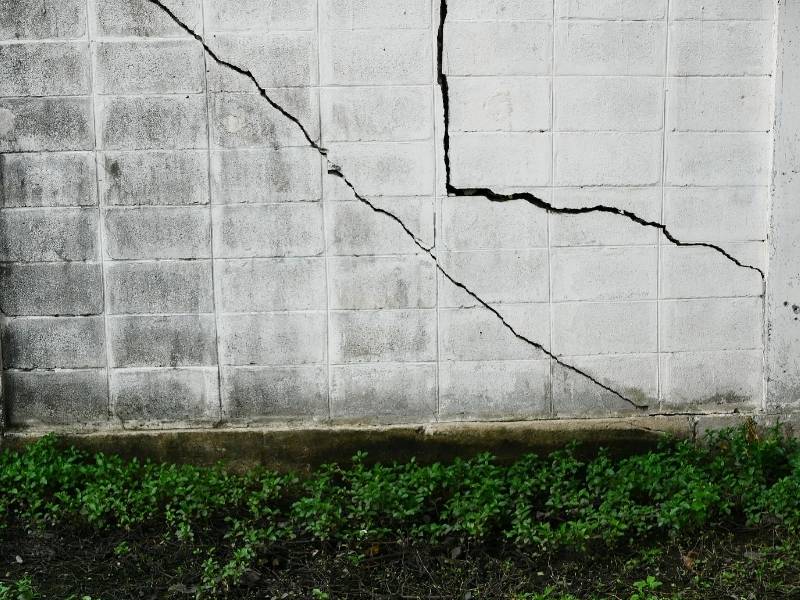
Cracks often show up in the weeks after nearby blasting, and the timing can feel like proof. Homeowners notice a split in the drywall, a gap at a window corner, or a new line across the basement floor and connect it to the rumble they felt next door. Timing alone rarely settles the question, though, because buildings crack for many reasons. An engineering expert witness helps property owners, contractors, insurers, and attorneys separate blasting damage from other causes using records, measurements, and field evidence.
How Construction Blasting Can Affect Nearby Buildings and Foundations
Construction blasting uses controlled explosives to break rock for excavation, road construction, utility trenches, and foundations. Each blast sends energy through the ground as vibration and through the air as a pressure wave called airblast. Both can reach nearby buildings. How much they affect a structure depends on the size of the charge, distance, timing between charges, and the soil and rock between the blast and the building.
Ground vibration is usually measured as peak particle velocity, or PPV, the maximum speed at which ground particles move as the wave passes. Frequency matters too. Low-frequency vibrations can be more likely to affect houses because they’re closer to the natural frequency of typical wood-framed walls and floors. Airblast tends to rattle windows and doors and is often what neighbors notice most.
Many factors influence how a building responds. Foundation type, construction materials, age, prior cracking, and soil conditions all play a role. A home with an already stressed foundation may react differently than a newer building on firm bedrock.
Evaluating Structural Damage and Existing Site Conditions
An expert’s investigation starts at the property. The engineer documents each reported crack with photos, measurements, location, width, length, and pattern. They also look at doors and windows that stick, sloping floors, separated trim, and exterior masonry. A careful record of what exists today is the foundation for every later conclusion.
Existing site conditions get the same attention. Many cracks come from settlement, expansive clay soils, poor drainage, tree roots, shrinkage in concrete, or seasonal temperature and moisture changes. Gutters that dump water at the foundation, negative grading, and soft fill can all cause movement unrelated to blasting. The engineer checks these causes so they aren’t overlooked.
Pre-blast surveys can be valuable evidence. Many blasting contractors or project owners photograph and document nearby properties before work begins. Comparing those records with current conditions shows which cracks are new and which existed before. When no pre-blast survey exists, the expert may rely on older photos, inspection reports, real estate records, and the visible age of crack edges.
Reviewing Blasting Records, Ground Vibrations, and Construction Methods
Blasting operations usually create a paper trail. Blast logs often record the date, time, location, charge weight per delay, total explosives, hole depth, spacing, and delay timing. Seismograph records show the measured ground vibration and airblast at specific monitoring points. Those records are central to any technical review.
The expert compares measured vibration levels to published guidance and any project or permit limits. Commonly referenced research includes U.S. Bureau of Mines Report of Investigations 8507, which studied vibration effects on residential structures. Limits that apply to a specific project depend on state rules, local permits, and contract terms. The engineer also checks whether seismographs were placed at reasonable distances and calibrated properly.
- Whether charge sizes and delay timing matched the approved blast plan.
- Where monitoring equipment sat relative to the damaged property.
- Whether other construction work, such as heavy compaction or pile driving, ran at the same time.
- How soil and rock conditions between the blast and the building could affect vibration travel.
Gaps in the records can matter as much as the data itself. Missing logs, uncalibrated instruments, or blasts without monitoring may limit what the expert can confirm.
Determining Whether Blasting Caused Cracks and Structural Damage
Determining cause means weighing all the evidence together. The expert compares crack patterns, locations, and timing with the vibration data and site conditions. Some patterns point to settlement or shrinkage, while others may be more consistent with dynamic loading. No single clue usually decides the case.
Crack characteristics offer useful hints. Fresh cracks often have clean, sharp edges without dirt, paint, or weathering inside. Older cracks may show dust, paint layers, or prior repair attempts. Cracks that follow a pattern tied to a sagging footing or a wet corner often suggest a soil or drainage cause instead of blasting.
Measured vibration levels add important context. If recorded levels near the property were well below accepted damage thresholds, other causes may deserve more weight. If records are missing or levels were high, the evidence may tilt the other way. The expert’s job is to reach an opinion based on sound engineering reasoning, not to favor one side.
How Expert Witness Findings Support Construction Damage Claims
An expert witness is a qualified professional who gives technical opinions in disputes, claims, and lawsuits. In blasting cases, that’s often a licensed civil, structural, or geotechnical engineer with experience in vibration and building performance. Their findings are usually presented in a written report that explains the investigation, data reviewed, methods used, and conclusions reached. Clear photos, diagrams, and plain language help judges, juries, and adjusters follow the reasoning.
Strong reports stick to the evidence. They explain why alternate causes were considered and ruled in or out. Courts in many jurisdictions apply standards that test whether expert opinions rest on reliable methods, so documentation and transparency matter. An expert who skips steps or overstates conclusions can weaken a claim.
Findings can help resolve disputes without trial. Insurers, contractors, and property owners often use expert reports to negotiate repairs or settlements. Early involvement also helps preserve evidence before repairs cover it up.
Frequently Asked Questions
What does an expert witness do in a blasting damage claim?
An expert witness investigates whether blasting caused the reported damage. They inspect the property, review blast logs and vibration records, and consider other possible causes. They then prepare a report explaining their findings and opinions. They may also testify in depositions or court.
Can construction blasting crack a house foundation?
Blasting can damage buildings when vibration levels are high enough. Many cracks near blasting sites come from other causes, such as settlement or shrinkage. The answer depends on vibration levels, distance, soils, and building condition. An engineering investigation is the best way to find out.
What is a pre-blast survey?
A pre-blast survey documents a property’s condition before blasting begins. It usually includes photos and notes on existing cracks and defects. It helps show which damage is new after blasting. Owners near planned blasting should ask whether one will be done.